Posts

The Hidden Culprits Behind Weight Gain

Image
Some say women lose weight for two reasons: to win over a man or to fit into clothes they love but can’t wear. For men, fitness is often seen as a lifelong pursuit. Whether for health or a sculpted figure, countless people strive daily to shed pounds. However, beware—these “hidden culprits” could sabotage your perfect weight loss plan. 1. Weight Gain Is Closely Tied to Lunch Choices Opting for Western Fast Food: Consuming More Calories in One Meal Than Your Daily Needs One gram of oil provides 9 kilocalories, and Western fast food, often centered around fried or greasy meats, is laden with oil, making it the highest-calorie food choice. Moreover, oils used for frying at high temperatures—reused repeatedly—turn essential fatty acids into harmful toxic oils. Nutrients in meats, vegetables, and grains, when charred, become carcinogenic toxins, increasing the risk of colorectal or breast cancer later in life. Clearly, Western fast food is detrimental to both your waistline and health. For...

Two Essential Conditions for Fat Loss

Image
  Many people ask why weight loss starts off quickly but becomes harder after a week or two, often leading to despair and rebound weight gain. Let’s dive in with the editor to uncover the reasons behind this! To reduce fat, two critical conditions must be met: creating a calorie deficit and maintaining a balanced basal metabolic rate (BMR). An adult’s daily energy expenditure comprises five components: basal metabolic rate, daily activity, thermic effect of food, adaptive thermogenesis (energy changes due to environmental temperature, stress, or other factors), and exercise. Energy needs vary based on activity level, daily routines, gender, age, and weight, typically ranging from 1,500 to 3,000 kilocalories for most adults, or about 25–50 kcal per kilogram of body weight (assuming an average weight of 60 kg). Beyond these, genetics, digestive function, and health status also influence energy intake, utilization, and expenditure. Here, we focus on general cases. The Principle of ...

What Body Shape is Considered Fat?

Image
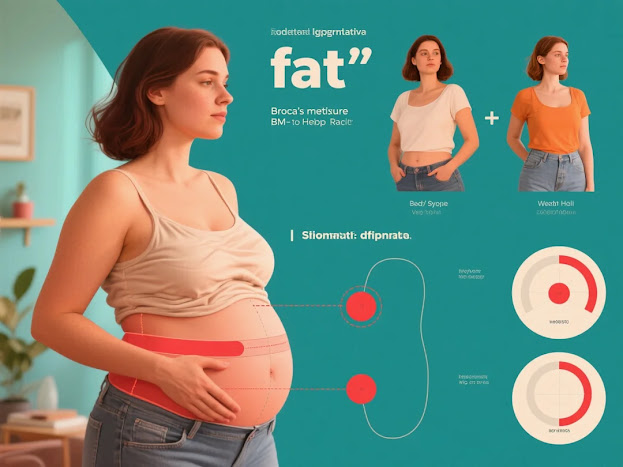
  What Body Shape is Considered Fat? When did I start feeling fat? Was it when I gained 10 kilograms? Or perhaps when I tried on a new bikini in a harshly lit fitting room? When do people begin to feel confused about their weight? Why do so many women worry about their weight, even when they don’t actually have an issue? 60% of Women Who Think They’re Fat Aren’t If you asked 100 women to evaluate their figures in front of a mirror, over 80% would likely express dissatisfaction, believing they’re too fat. In reality, only about 20% are genuinely overweight. So what’s going on with the other 60%? Here’s a method to determine if your weight is truly excessive. Super Simple Height-Weight Formula The Broca formula is a straightforward way to calculate ideal weight. Subtract 100 from your height in centimeters to get your normal weight. A 10% fluctuation above or below is considered acceptable, while a 15% reduction is deemed ideal. The beauty of the Broca formula lies in its flexib...

Does a Better Figure Mean Higher Intelligence?

Image
  A recent U.S. study suggests that women with an “hourglass” figure—characterized by full hips and a narrow waist—tend to be more intelligent than those with “apple” or “barrel” shapes, and their children often score higher on cognitive tests. Scientists propose that the abundance of Omega-3 fatty acids in the hips of hourglass-shaped women may contribute to this phenomenon. The findings were published in the journal Evolution and Human Behavior . The Ideal Waist-to-Hip Ratio Previous research has shown that men are instinctively drawn to women with a significant difference between their waist and hip measurements. While theories suggest such women may have easier pregnancies, smoother deliveries, and longer lifespans, the reasons behind this male preference have remained unclear. Now, a new study conducted by researchers from the University of Pittsburgh and the University of California, Santa Barbara offers potential answers. The study analyzed data from 16,000 women and girl...

Why 80% of Women Fail to Lose Weight

Image
  Dieting Is Destined to Fail from the Start Dieting for weight loss is doomed to fail from the outset. No one doubts that skipping meals can make you thinner—look at the emaciated children in impoverished regions, hollow-eyed and frail. But the real question is: how long can you sustain it, and at what cost? The answers will leave you disillusioned with dieting: it doesn’t work, nor does vegetarianism or fruit-only diets. Instead, they can make you fatter and age faster! Dieting reduces energy, curtails exercise, and depletes essential nutrients. Over time, it leads to severe consequences: brain cell damage, hair loss, osteoporosis, menstrual irregularities, and even gallstones. Eventually, you’ll give in, overeat, and face weight rebound—often exceeding your starting point. Why? Your body, like a hibernating bear, adapts by lowering its metabolic rate to conserve energy during scarcity. Even if you return to your pre-diet calorie intake, a slower metabolism stores more fat than...

Debunking 7 Misleading Weight Loss Myths

Image
  With countless weight loss methods emerging, how do you choose the right one? Experts warn against falling for weight loss myths. Opting for proper methods is the key to success! Below, we debunk seven common myths to guide you out of weight loss misconceptions, ensuring you stay on track without detours, failures, or rebounds! Myth 1: “Avoiding Fat Guarantees Weight Loss” Not Consuming Fat Doesn’t Ensure Weight Loss Foods high in fat are calorie-dense, leading many to believe that cutting fat entirely leads to weight loss. This is a myth! Fat is an essential nutrient. Our brain functions rely on adequate fat intake, and organs like the heart and skin depend on it for optimal performance. Extreme dieting or overly restricting food intake can cause issues like rough skin, often linked to impaired heart and brain function. Moderate fat consumption, when properly digested, can suppress ghrelin (the hunger hormone), reduce appetite, promote leptin production (which signals fullne...

Five Standards to Determine How Much Fat You Need to Lose

Image
  The human body is composed of fat, muscle, organs, bones, water, and other elements. Modern obesity primarily stems from excessive body fat. But how much fat is too much? Which areas have excess fat accumulation, and how much weight loss is considered healthy? Today, we reveal five methods to measure body fat content. 1. Body Mass Index (BMI) The Body Mass Index (BMI), also known as the body weight index, is a calculated value primarily used for statistical purposes. When comparing and analyzing the health impacts of an individual’s weight across different heights, BMI serves as a neutral and reliable indicator. 2. Skinfold Measurement Excess body fat is typically stored beneath the skin. By measuring the thickness of skinfolds, one can estimate the proportion of body fat. This method is simple, easy to learn, and highly accurate. Many fitness clubs offer this service for free. 3. Bioelectrical Impedance Analysis Fat has poor electrical conductivity, whereas other body com...

The Benefits and Drawbacks of Fat

Image
  Fat is a vital nutrient that stores energy, sustains health, and forms tissue cells. It serves as a primary energy source for endurance activities, settles under the skin and around organs to protect them, insulates, retains heat, maintains body temperature, and stimulates appetite. Fat cells also produce hormone-like proteins that combat viruses, mimicking immune cells. They aid insulin in regulating blood sugar and help the immune system fight cancer cells. Moderate fat levels boost immunity, but excess fat disrupts hormone balance, leading to health issues. 1. Composition of Fat Fat consists of carbon, hydrogen, and oxygen, with traces of helium and phosphorus. Formed by one glycerol molecule and three fatty acids, it’s known as triglyceride. Fats include oils (lipids) and lipid-like substances (fatty acids and alcohols). They contain three types of fatty acids: saturated, monounsaturated, and polyunsaturated. One regulates physiological functions, while the others reduce ha...

A Rational Approach to Fat and Sustainable Weight Loss

Image
  Many people believe the key to fat loss is shedding excess body fat, but how can we achieve rapid and sustainable weight loss? The first step is understanding fat itself—what types of fat must be targeted and how to effectively burn off excess fat. 1. Fats Come in Different Colors From a health perspective, fat varies by location in the body. Abdominal fat, also known as visceral fat, is more sensitive to cortisol than fat in the thighs or hips. When excess energy isn’t released, it tends to accumulate in the abdomen. This visceral fat is particularly troublesome, acting like a tumor by producing inflammatory chemicals that reach the brain, triggering hunger and fatigue. This can lead to overeating, consuming junk food, and a lack of exercise, creating a vicious cycle that stores even more abdominal fat. The good news? Certain foods can help reduce inflammation, such as fish oil and probiotics. Consider taking fish oil supplements or eating yogurt with live cultures. 2. Differ...

Seven Ironclad Rules for Weight Loss

Image
  Weight loss is not a free-for-all; it demands adherence to ironclad rules! Curious about what they are? 1. Exercising on an Empty Stomach Doesn’t Burn More Fat Working out without eating doesn’t torch extra calories; it burdens your body instead. For effective exercise, eat a small meal three hours beforehand. 2. Genes Aren’t the Main Culprit Behind Weight Gain Hereditary obesity exists, but the real issue is often inherited bad habits—like loving fried foods, late-night snacks, or skipping exercise. These are the true drivers of weight gain. 3. Moderate Exercise is Key You can lose weight without exercise, but it’s a temporary illusion that rebounds. Converting fat to muscle through exercise boosts metabolism and burns more calories long-term. 4. Low-Fat Foods Won’t Make You Slim Low-fat foods may prevent disease but don’t guarantee weight loss. It’s the calories that matter. Some processed vegetables can be calorie-dense, and a single bite of certain foods can pack hund...

Three Things to Know for Quick Weight Loss

Image
  Weight loss is a lifelong pursuit for many women, yet some struggle to shed pounds despite their efforts. Are you aware of these three key insights about weight loss? Insight 1: Building Muscle Isn’t as Easy as You Think Women naturally have higher estrogen levels than men, making it harder to build muscle. Even professional female bodybuilders rely on supplements and intense training to achieve significant muscle mass. Thus, the fear that exercise will bulk up your calves is largely unfounded. Why, then, do some notice prominent calf muscles during activities like tiptoeing? The answer lies in a layer of fat over the muscle tissue. Even a 5mm layer of fat—less dense and bulkier than muscle—creates a striking visual difference. Aerobic exercises like running and swimming effectively reduce calf fat. Equipment such as rowing machines and ellipticals are excellent for slimming legs. For those who prefer simplicity, start with 20-minute jogs in the morning or afternoon to ease in...

Disordered Endocrine System After Taking Weight-Loss Pills Postpartum

Image
  She Lost Weight After Childbirth but Disrupted Her Endocrine System Among a group of overweight individuals, Ms. Lu, with her relatively slim figure, stood out strikingly. Was she also a patient at the obesity clinic? Ms. Lu shared her concerns: three months ago, she weighed 180 pounds. Desperate to shed the weight, she resorted to haphazard weight-loss methods, only to find her endocrine system thrown into disarray, with her menstrual cycle absent for three months. At 26 years old, Ms. Lu’s weight had surged from 103 pounds before pregnancy to 180 pounds during it. Six months ago, she safely gave birth, and her weight dropped slightly. She had hoped to slim down naturally afterward, but three months later, her weight rebounded to around 180 pounds. Out of options, Ms. Lu turned to weight-loss pills and extreme dieting—eating just an apple for lunch and two bananas for dinner. Following online weight-loss gurus, she even gave up her favorite dried tofu. In three months, she did...
Image
  Wear fitted, beautiful clothes with ease. Navigate crowded buses and subways effortlessly. Others are happy to give you a ride. Stride confidently into a packed elevator without worrying about triggering the alarm. Feel good about yourself in photos. Achieve a slim face, saving on cosmetics. Avoid flattening your boyfriend’s bike tire on romantic outings. Let your boyfriend wrap his arm around your waist during a stroll. Sit on a sofa without drawing attention to its dents. Try walking with sandbags tied to your legs—feel the burden of excess weight? Rock a mini skirt and fishnet stockings. Play in the water without getting stuck in a swim ring. Enjoy a romantic beach moment without needing to dig your partner out of the sand. Avoid having your weight written on your hand when boarding a hot air balloon. Sit comfortably in a bar’s dainty chairs without feeling like you’re in a bumper car. Swim without floating helplessly, unable to sink despite your efforts. Stroll with your boyf...

Weight Loss Tips for Overweight Individuals

Image
  In conversations with people around me, I’ve noticed everyone seems to have their own “secret” to weight control. I’ve gathered a few of these tips, hoping they might inspire others. While their scientific basis may vary, their simplicity and practicality are undeniable. (1) Using Pants to Prevent Weight Gain A friend devised a clever way to monitor her weight: she had a perfectly fitted pair of pants tailored (snug at the waist, hips, and thighs) and tries them on every few days. If they fit comfortably, her weight is stable. If they feel tight—say, the button won’t fasten—it’s a sign to exercise more and eat less to restore balance. She proudly shared, “This method has kept my weight steady for 10 years.” (2) Brushing Teeth to Curb Snacking A young friend, an avid tooth-brusher, insists on brushing after every meal. Her colleagues were curious about her habit. She explained, “Brushing leaves a fresh, minty feeling in my mouth. As long as I have that, I don’t crave snacks.”...

10 Compelling Reasons for Women to Lose Weight

Image
  Reason 1: Enhanced Marriage Prospects Women on diets often exhibit "anorexic tendencies"—surviving on a lettuce leaf and water per meal. Such low maintenance costs boost men’s confidence in matrimony, solidifying their resolve to wed. Reason 2: Command Attention Shedding the "spare tire" transforms you into a waist-whispering enchantress. Flaunt midriff-baring trends with audacity, turning heads with a sculpted silhouette that radiates magnetism. Reason 3: Evoke Protective Instincts The gaunt, "skin-and-bones" aesthetic of dieters stirs men’s chivalry, awakening an urge to shield these "delicate flowers." Thus, slimming equals more doting. Reason 4: Cultivate Elegance Dieters eat from petite plates, chewing meticulously—eschewing vulgar gobbling. To male eyes, this refinement screams class and sophistication. Reason 5: Slash Household Expenses Snacks? Taboo. The typical woman’s budget for sugar-laden candies, pastries, and preserves evaporates,...