4 Science-Backed Principles for Safe and Effective Weight Loss

1. Prioritize Low-Energy-Density Foods
- Focus on vegetables, especially leafy greens (e.g., spinach, kale) and cruciferous varieties (e.g., broccoli, cauliflower).
- Choose low-calorie fruits such as cherry tomatoes, strawberries, plums, or fresh prunes.
- Avoid high-energy-density foods like fried items, nuts, fast food, pastries, sugary drinks (e.g.,奶茶/milk tea), and juices. These foods pack excessive calories into small portions, leading to overconsumption. Always check nutrition labels for calorie content when snacking.
2. Opt for Whole Grains and Low-GI Foods
- Replace refined grains (e.g., white rice) with whole grains (oats, quinoa) or low-glycemic-index (GI) options like whole-wheat pasta or buckwheat noodles.
- Whole grains enhance satiety and provide more nutrients compared to refined counterparts.
3. Moderate Meat Intake, Emphasize Lean Proteins
- White meats (e.g., poultry, fish) are preferred for their lower fat content.
- Red meats (e.g., beef, pork) can be consumed in moderation, but avoid fatty cuts like五花肉/pork belly or lamb.
4. Mind Your Eating Sequence
- Start meals with a small bowl of broth or soup, followed by half a bowl of vegetables, before consuming carbohydrates. This helps reduce overeating of starchy foods.
Additional Note on High-Protein, Low-Carb Diets
While high-protein, low-carbohydrate diets are popular, they require medical supervision to ensure proper nutrient balance and avoid risks like:
- Muscle loss from extreme calorie restriction.
- Liver dysfunction or immune suppression due to nutrient deficiencies.
Consult a registered dietitian or weight-loss specialist to design a tailored plan based on your health status and goals.
Exercise Recommendations
- Incorporate low-impact activities like brisk walking or swimming.
- Avoid high-impact exercises (e.g., running), which may strain joints in individuals with obesity.
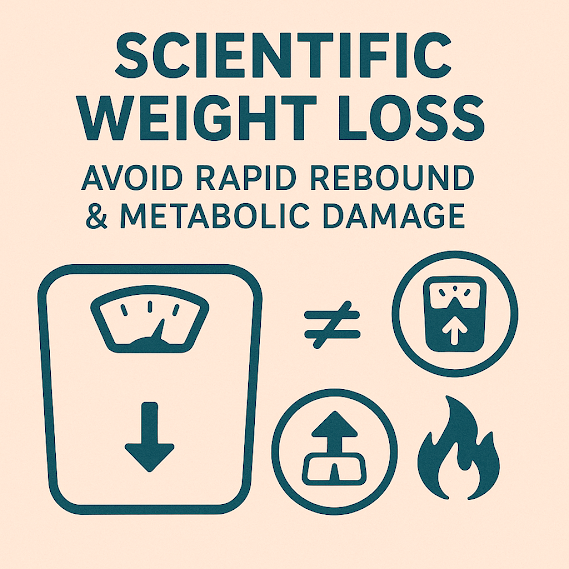
Key Takeaway: Sustainable weight loss hinges on balanced nutrition, mindful eating, and gradual lifestyle changes—not extreme diets. Always seek professional guidance for personalized care.




Comments
Post a Comment